
3D Raised Salt Painting: Colorful Textured Artwork for Kids
Creating colorful textured artwork can be a delightful experience for children, allowing them to express their creativity while developing motor skills. The 3D raised salt painting project is not just a fun craft but also introduces kids to the magic of art-making through simple materials. Additionally, this project fosters a sense of accomplishment that kids love. You can even pair this activity with other creative endeavors like making a bright and colorful alphabet garland to extend the fun.
Why You’ll Love This Project
- Sensory Stimulation: The process of applying glue and salt provides a sensory experience, engaging kids’ senses of touch and sight.
- Color Mixing: Using watercolors encourages kids to experiment with color combinations and blending techniques.
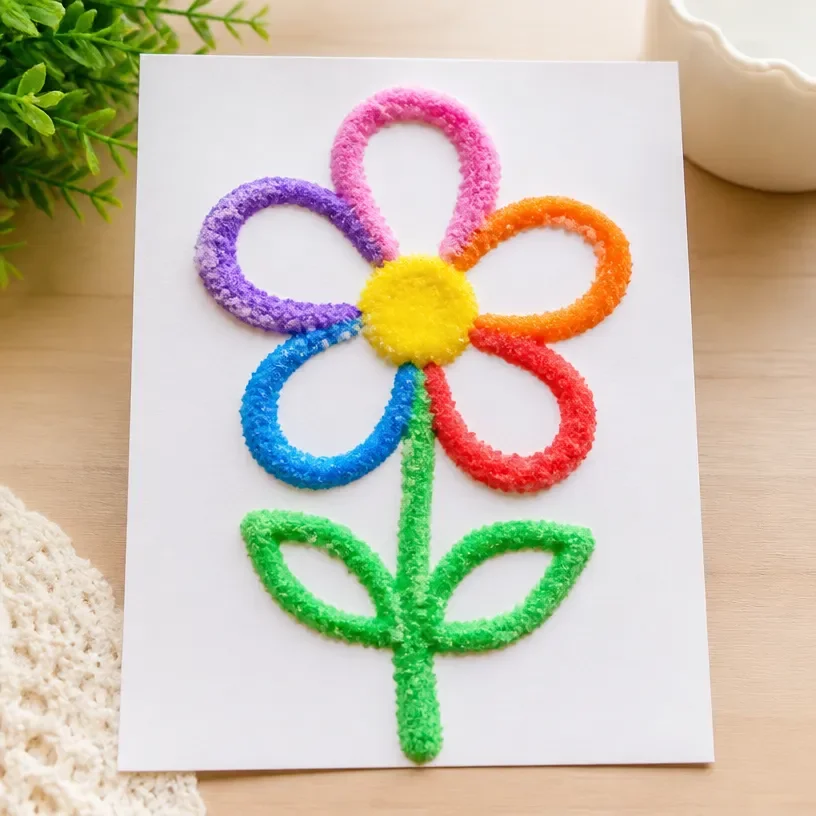
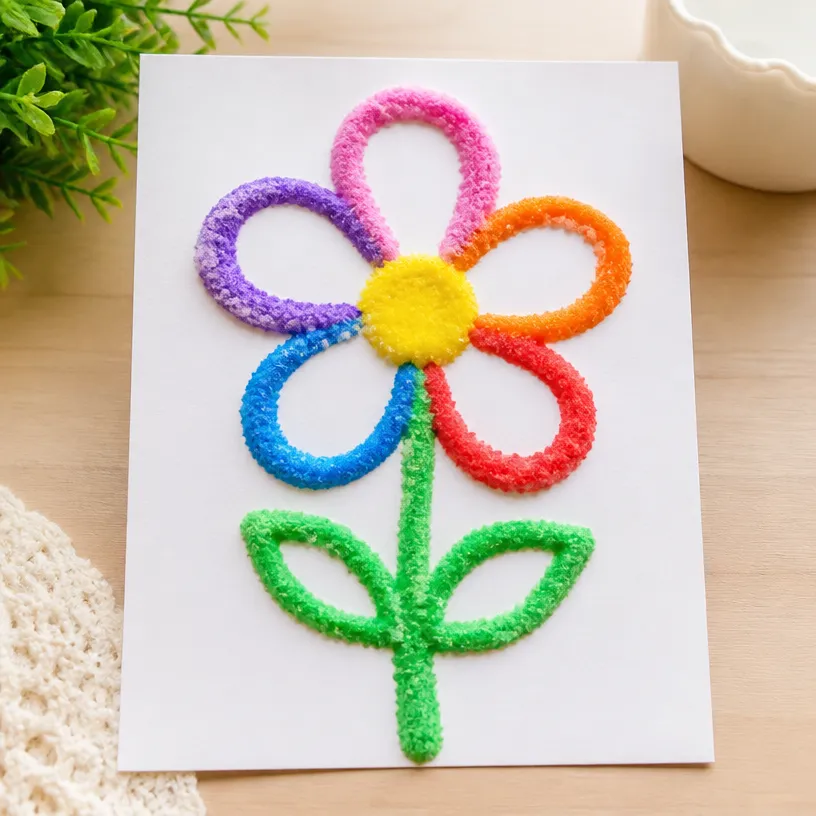
- Textured Art: The raised effect from the salt gives an appealing texture that kids will love to touch and display.
- Creativity Boost: This art project can be adapted to any theme, allowing for limitless creative expression.

You may also find Colorful Rainbow Monster Pencil Holder For Kids useful.
Materials You’ll Need
- Watercolor paper
- White school glue
- Salt
- Watercolor paints (in various colors)
- Paintbrushes
- A shallow tray for salt
- Optional: Glitter for extra sparkle
How to Make 3D Raised Salt Painting: Colorful Textured Artwork for Kids
Prepare Your Workspace: Gather all your materials and create a clutter-free workspace. Lay down some newspaper or a plastic tablecloth to catch any mess. You may also find Colorful School Bus Photo Frame Craft For Kids useful.
Draw Your Design: Using the white glue, draw your desired design on the watercolor paper. Encourage your child to be creative simple shapes or intricate designs both work. You may also find Clear Rainbow Ghost Shaker Suncatcher Craft For Kids useful.
Sprinkle Salt: While the glue is still wet, immediately sprinkle salt over the design. Make sure to cover all the glue areas completely. Shake off any excess salt into the tray.
Let it Dry: Allow the glue and salt to dry completely, ideally for a few hours or until it feels firm to the touch.
Paint Your Creation: Once dry, use watercolor paints to add vibrant colors to the salt designs. The salt will absorb some of the color, creating unique effects.
Optional Glitter Finish: For an additional touch, sprinkle glitter onto the wet paint for some extra sparkle and charm.
Helpful Tips
- Age Supervision: Even though this project is suitable for children, adult supervision may be required especially while handling glue and paints.
- Experiment with Colors: Encourage kids to mix colors and explore different brush techniques for unique results.
- Display Ideas: Once the painting is complete and dry, consider framing it or using it in an art display in your home.
Creative Variations
- Seasonal Themes: Adapt the design to reflect different seasons or holidays, such as flowers for spring or snowflakes for winter.
- Use Different Colors: Experiment with different color palettes, perhaps exploring monochromatic schemes or rainbow designs.
- Create a Series: Encourage your child to create a series of paintings to decorate a wall or make a gallery display.
Making It With Kids
While making this project, ensure to set clear expectations about keeping the workspace tidy, especially since the salt can be a bit messy. If any cutting is involved (e.g., trimming the paper), always assist younger children with scissors. If they want to use hot glue or any adult tools, be there to provide guidance and support.
How to Display, Use, or Gift It
The finished textured artwork can be proudly displayed on walls, used as greeting cards, or gifted to family members. Consider turning each creation into unique art pieces by framing them with colorful frames or matting.

Frequently Asked Questions
1. Can I use different types of glue for this project?
White school glue works best, but you can experiment with other liquid glues if you’re curious.
2. How long should I wait for the glue and salt to dry?
It’s best to let it dry for a few hours or overnight to ensure firm adhesion.
3. What kind of watercolor paints should I use?
Any type of watercolor paint will work, including liquid, tube, or pan colors.
4. Is it safe for younger children?
Yes, this project is safe, but adult supervision is advised, especially when using scissors or hot glue.
5. What can I do with leftover materials?
Encourage kids to make additional paintings or decorate other surfaces using any leftover glue and salt.
6. Can we use food coloring?
While liquid watercolors are optimal, food coloring can work in a pinch but may not create the same vibrant effect.
Conclusion
Engaging in the 3D raised salt painting project offers children a creative way to explore color, texture, and art-making. For more artistic inspiration, you might check out this guide on 3D jellyfish watercolor techniques! Enjoy crafting together and watching the wonders unfold on your art station!