
Ocean-Themed Foam Sensory Bin for Kids: Fun Sensory Play Ideas
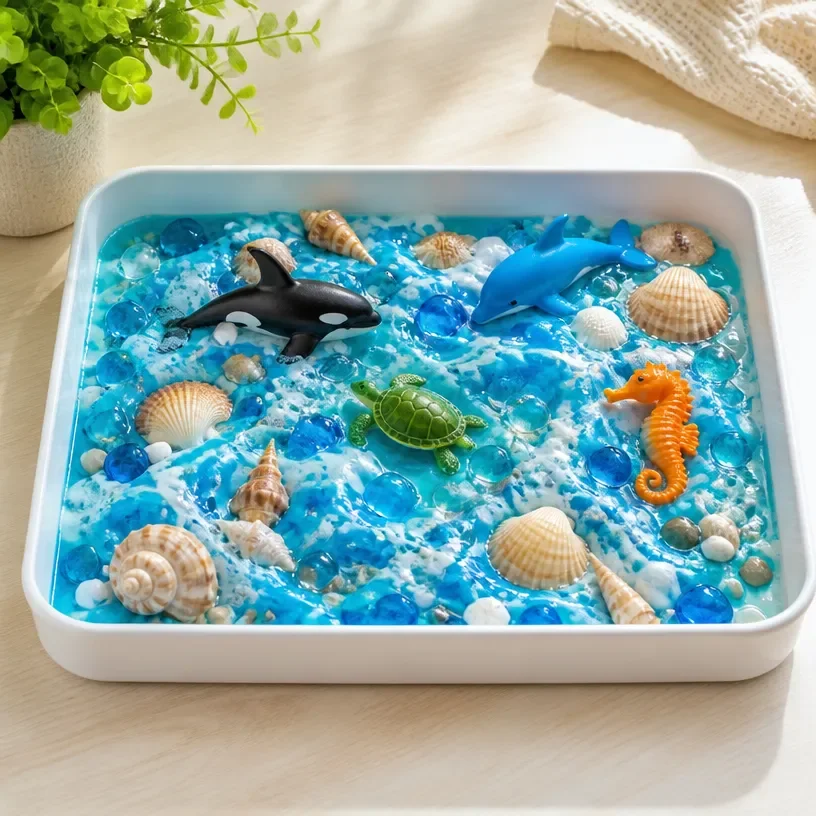
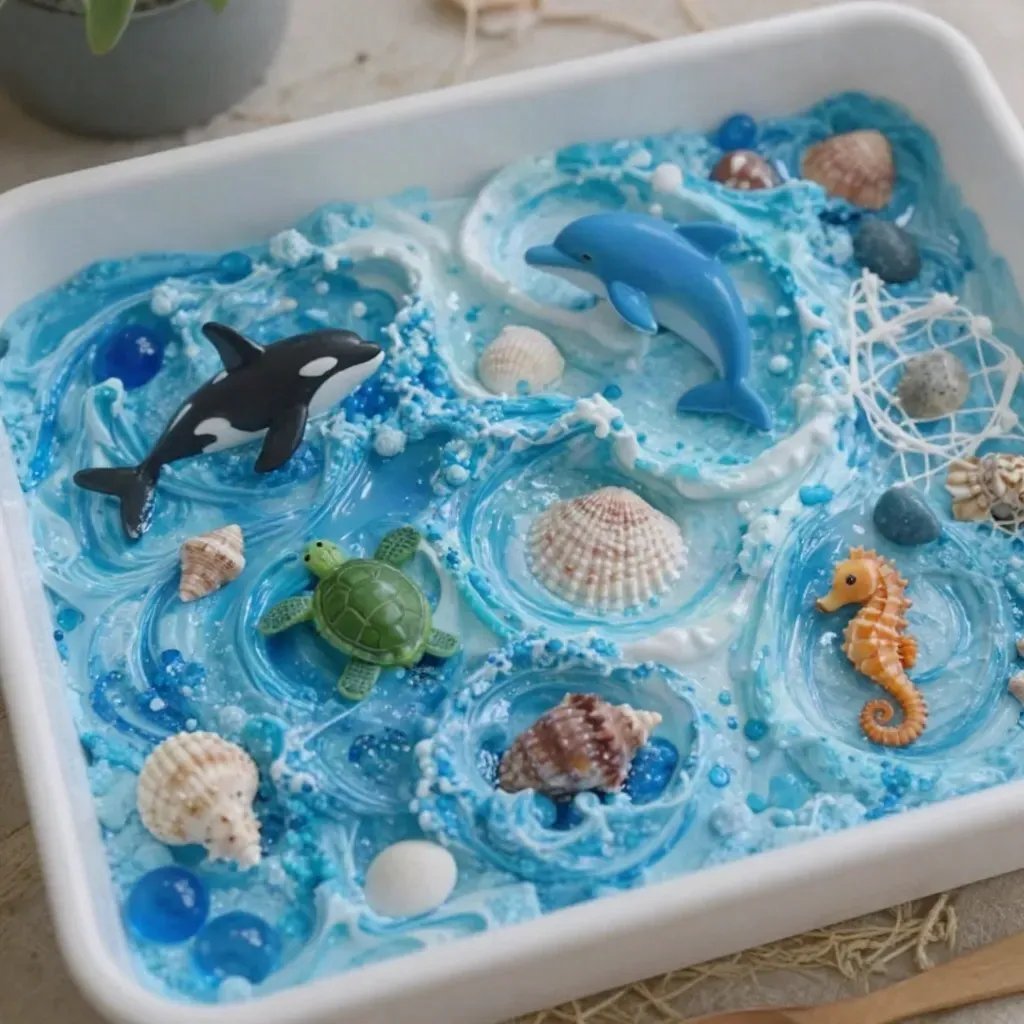
Creating an ocean-themed foam sensory bin is not only a delightful project but also an excellent way for kids to engage their senses while learning through play. This activity encourages imaginative exploration and fine motor skills, making it both enjoyable and educational. The soft foam adds a unique texture, making the sensory experience even more enriching. You may also find Bubbly Dough Sensory Activities For Kids useful.
Why You’ll Love This Project
- Sensory Exploration: This activity offers tactile play that helps in sensory development, allowing kids to engage with different textures.
- Imaginative Play: The ocean theme inspires storytelling and creativity as kids pretend to be underwater explorers or marine animals.
- Easy Cleanup: Foam is lightweight and doesn’t create the same mess as sand or water, making it a great indoor activity.
- Versatile Learning: The sensory bin can be used to introduce various educational concepts related to marine life, such as colors and shapes.
- Collaborative Fun: This project is perfect for group play, encouraging teamwork and social skills among children.
You may also find Glowing Bubbles For Kids Safe Nighttime Fun useful.
Materials You’ll Need
- Foam blocks or foam shapes in various ocean colors (blue, green, etc.)
- Water beads (optional for added texture)
- Small ocean animal figurines (like fish, crabs, or starfish)
- A large shallow bin or container
- Tweezers or small scoops for added fine motor skills practice
How to Make Ocean-Themed Foam Sensory Bin for Kids: Fun Sensory Play Ideas
- Prepare the Container: Start by selecting a large shallow bin or container where you’ll create your sensory bin.
- Add Foam Elements: Place foam blocks or shapes into the bin. You can cut larger foam pieces into smaller, manageable sizes for little hands.
- Incorporate Water Beads: If you’re using water beads, add them into the mix for an extra sensory element. They provide a unique squishy texture that kids love.
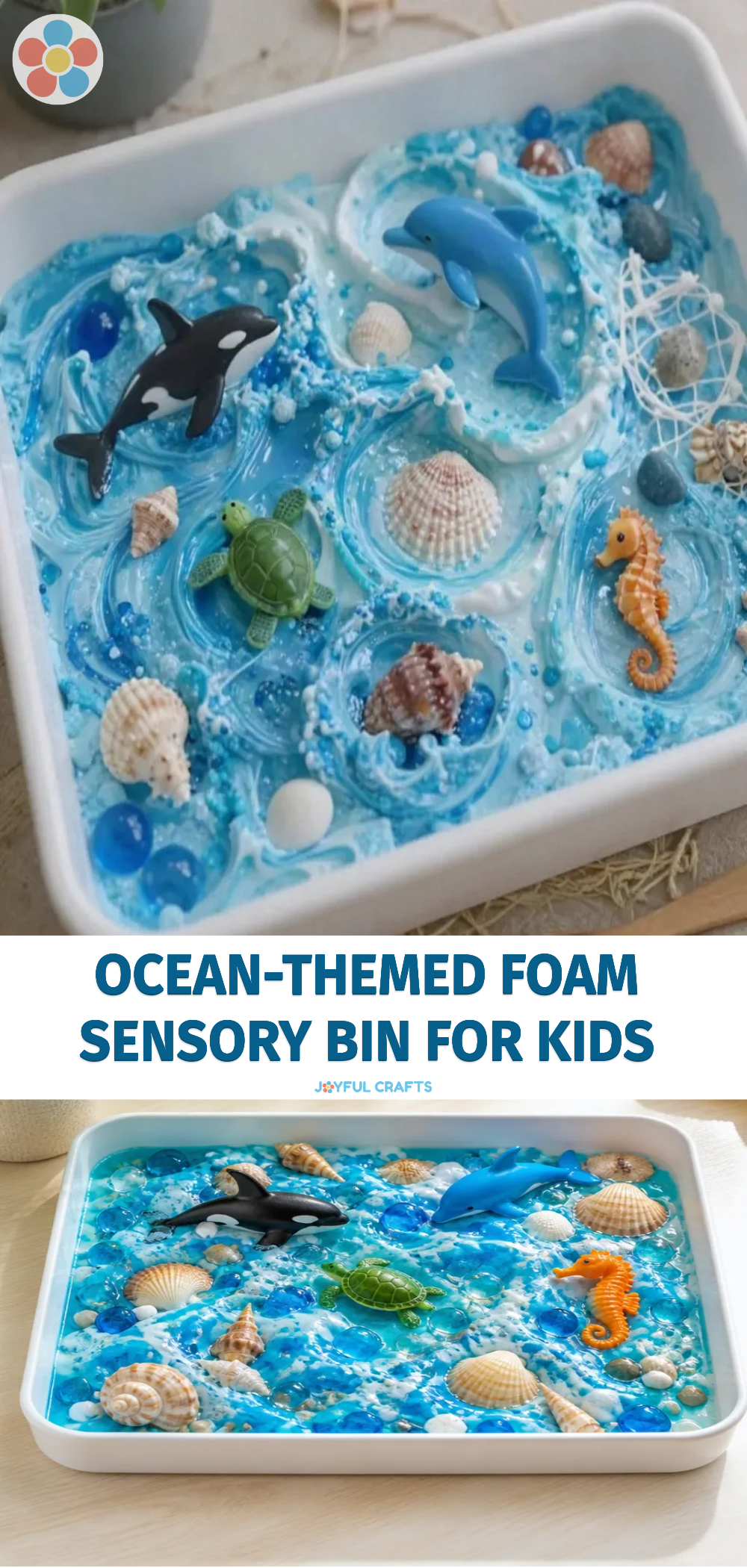
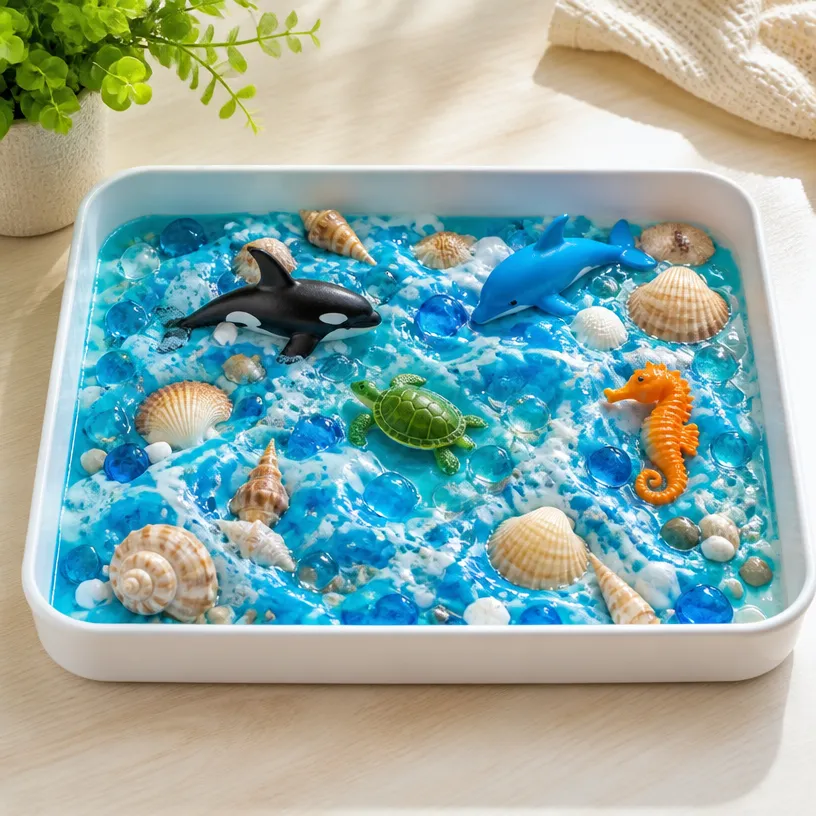
- Introduce Ocean Animals: Scatter small ocean animal figurines throughout the foam. This will encourage imaginative play as kids interact with different creatures.
- Offer Tools: Provide tools like tweezers or small scoops. This not only adds to the fun but also enhances fine motor skills as children practice picking up foam pieces or animals.
Helpful Tips
- Supervise Play: Always supervise young children to ensure that the foam pieces and beads are not ingested.
- Customize the Theme: Consider adding blue food coloring to water beads to further enhance the ocean feel.
- Storage Solution: Store leftover foam pieces and tools in clear containers so they can be reused for future sensory play activities.
- Engage with Questions: While playing, ask your children about their favorite sea animals to promote conversation and learning.
Creative Variations
- Color Exploration: Use colored foam pieces to teach colors while playing. You can ask kids to group animals or foam pieces by color.
- Ocean Scene Creation: Encourage kids to create their own ocean scene using additional materials like paper, markers, or stickers.
- Seasonal Themes: Adjust the sensory bin elements according to the seasons or holidays, integrating marine-themed decorations for a festive touch.
Making It With Kids
Involve your kids in the setup process, allowing them to help choose the colors and animal figures. Discuss the different textures and encourage them to describe what they feel as they play. Depending on their age, provide appropriate support with scissors or any tools they may need.
How to Display, Use, or Gift It
Once the sensory bin is complete, it can be placed on a table for playtime. For gifting, consider packaging all the materials in a clear bin and including a note with instructions on how to use it for sensory play. This makes for a fun and unique present for birthdays or special occasions!
Frequently Asked Questions
1. Can I use other types of foam?
Yes, different types of foam can work, but make sure they are safe for sensory play and suitable for the age of your children.
2. What if my child doesn’t like the texture?
It’s okay! If foam isn’t their favorite, you can mix in more familiar elements like rice or sand to create a blend that suits their preference.
3. How can I clean up afterwards?
Use a small vacuum or brush to clean up any foam pieces that may have scattered outside the bin.
4. Are there alternative sensory materials I can use?
Absolutely! You can explore using bubble dough or fluffy cloud dough for different textures and sensory experiences.
5. Is this project safe for toddlers?
Always supervise toddlers during play. Ensure that all items used are age-appropriate and non-toxic.
6. How long can the sensory bin be used for?
As long as the materials are clean and dry, the sensory bin can be reused multiple times, keeping it fresh with different themes or items.
Conclusion
The ocean-themed foam sensory bin is a simple yet engaging craft that brings joy and exploration into playtime. For more creative sensory ideas like ocean-themed activities, check out this resource on ocean-themed play, STEM and craft activities. This guide offers more ways for kids to learn and enjoy sensory-friendly exploration!
Print
Ocean-Themed Foam Sensory Bin for Kids
- Total Time: 10 minutes
- Makes: Multiple play sessions
Description
A delightful project for kids to engage their senses through an ocean-themed foam sensory bin, promoting imaginative exploration and fine motor skills.
Materials
- Foam blocks or foam shapes in various ocean colors
- Water beads (optional)
- Small ocean animal figurines
- A large shallow bin or container
- Tweezers or small scoops
Instructions
- Prepare the container by selecting a large shallow bin or container.
- Add foam blocks or shapes into the bin, cutting larger pieces into smaller sizes if necessary.
- Incorporate water beads if using for an added sensory element.
- Introduce small ocean animal figurines throughout the foam.
- Offer tools like tweezers or small scoops to enhance fine motor skills.
Notes
Always supervise young children during play to ensure safety. Customize the theme with colors or materials as desired.